Ankit Biswas
Undergrad at Harvard College
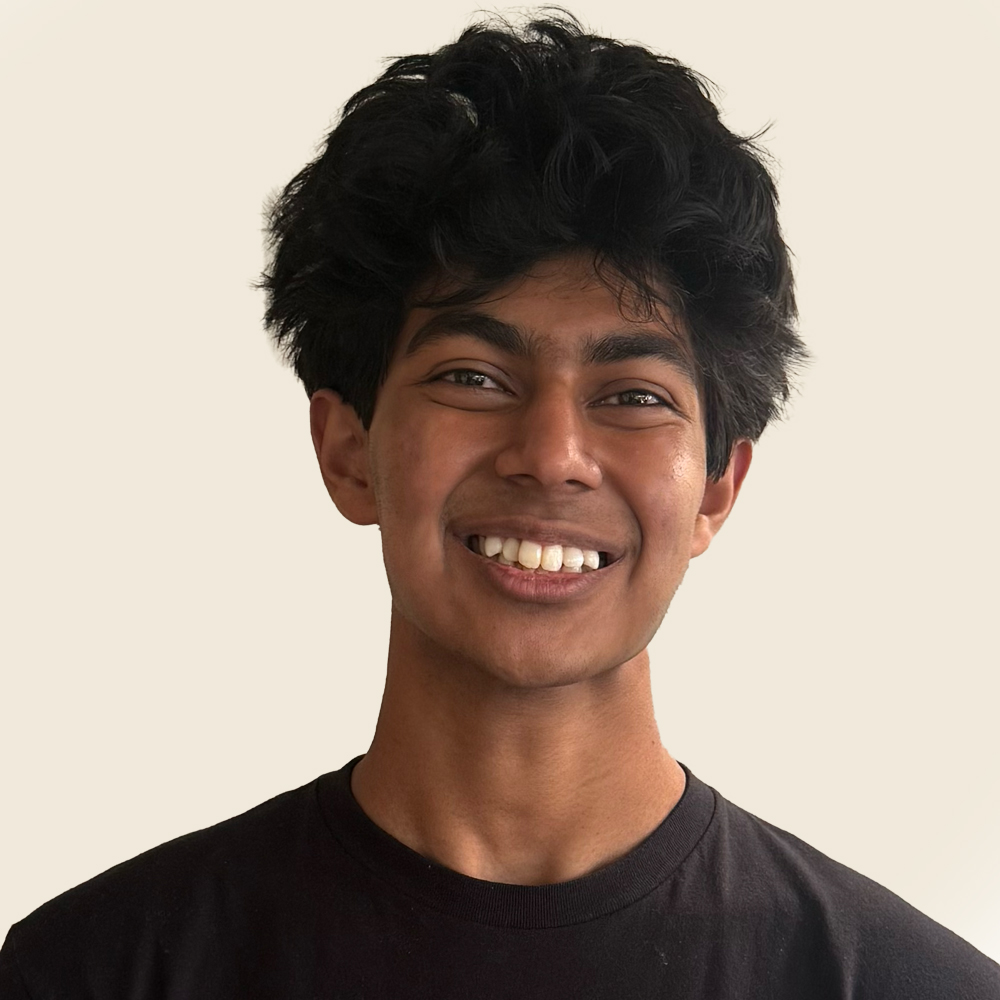
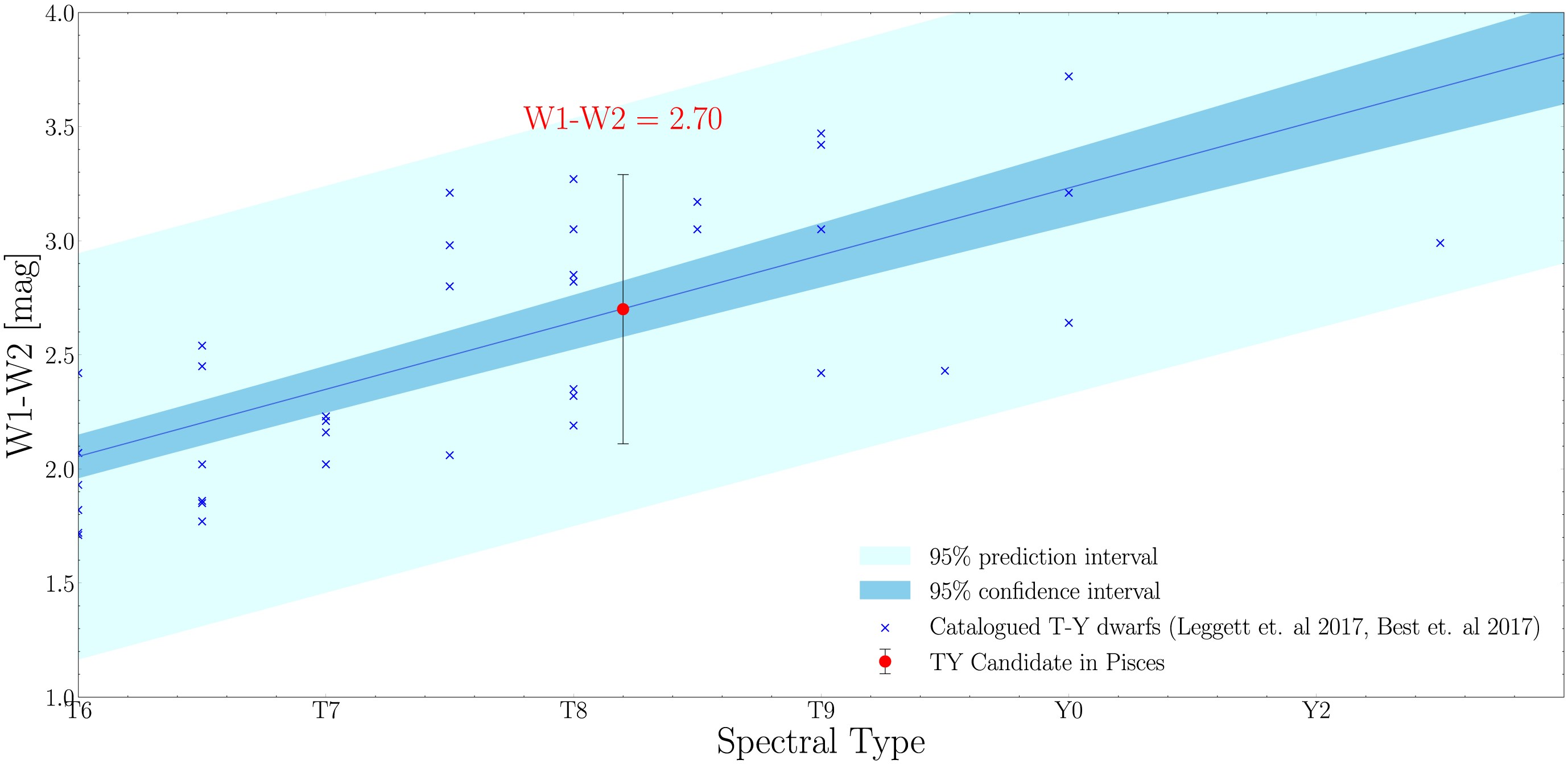
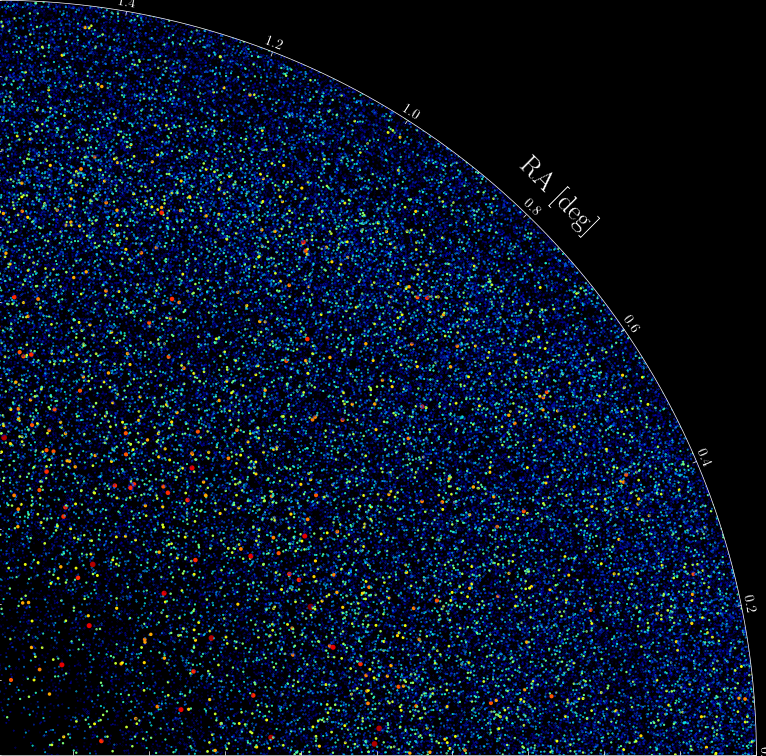
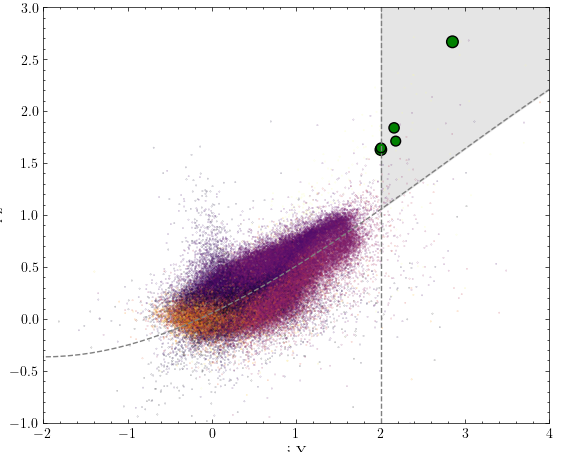
I’m a student at Harvard College working at the intersection of astrophysics and machine learning. My research in astrophysics involves applying computational techniques to discover elusive objects both small and very large (relatively), from detecting the coldest brown dwarfs (~failed stars) with novel ML models, to searching for the earliest stars using Bayesian optimization, to reconstructing the large-scale structure of the early universe with GANs trained on mock simulations of the universe. Simultaneously, I do work in mechanistic interpretability, originally as a means to understand the astrophysical ML models I built (and why they perform better than previous tools/probes) but now more so to analyze the internals of large language models and how they interpret our sensory world. My previous work in this has involved KANs for object detection, neuron attribution in flow matching, dimensional redundancy in text encoders, and the representation of perceptual spaces in LLMs.
Formally, I am part of the LAPIS Survey, working with Dr. Daniel Eisenstein and PI Dr. Sandro Tachella, where I contribute to both technical and science working groups on creating the first census of galaxies in the first 200 Myr of the universe and vastly expanding the current distance frontier. Simultaneously, I work in identifying internal representations of time within LLMs with Marc Kaufmann and Justin Shenk as a SPAR Research Fellow.
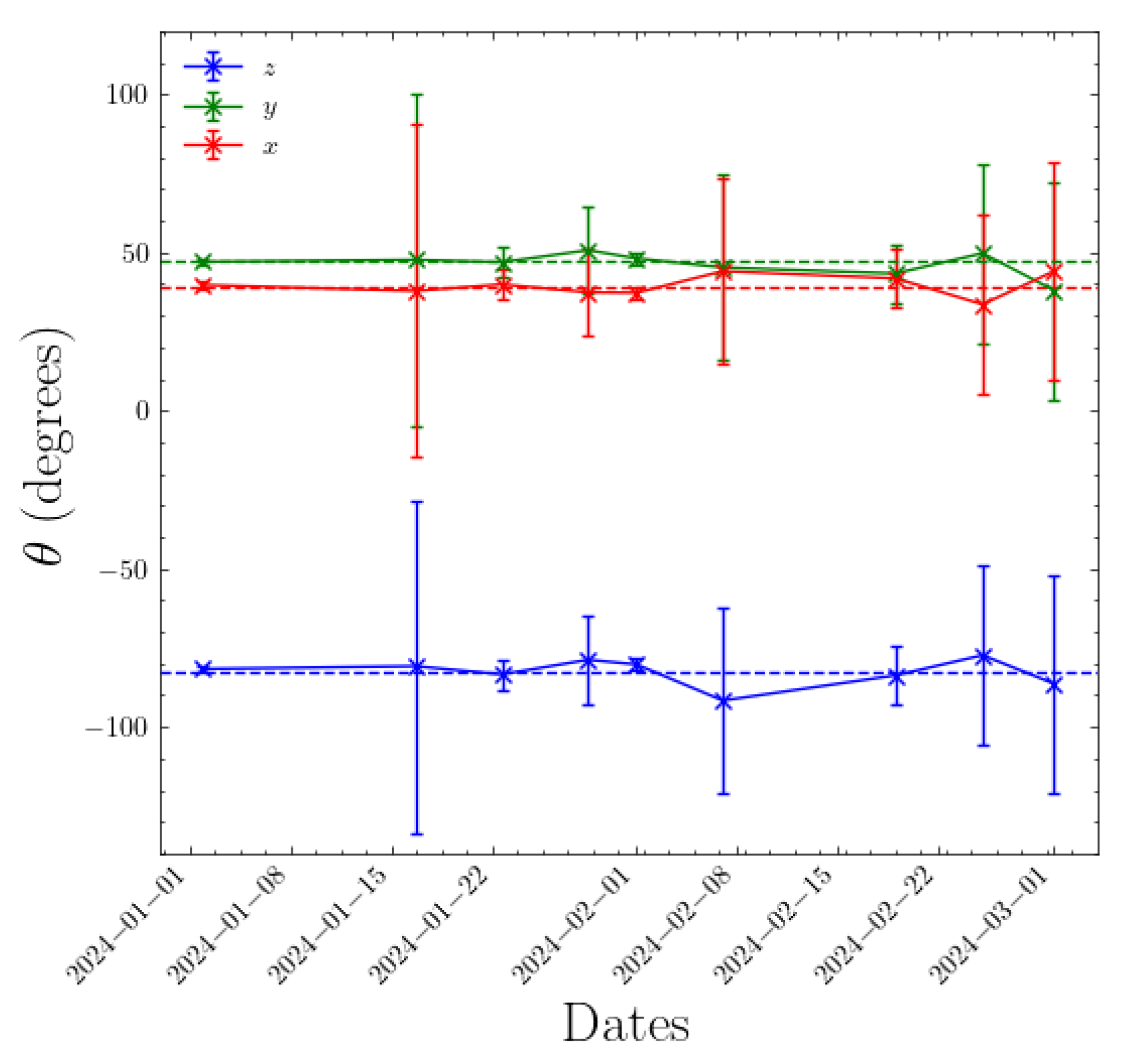
I have previously worked with Dr. Patrick Treuthardt, Dr. Ian Hewitt, and Alp Tezbasaran at the North Carolina Museum of Natural Sciences Astronomy & Astrophysics Lab on developing methods for the extraction of galaxy substructure and the detection of intermediate-mass black holes. I have also collaborated with Dr. Laura Dominé, Dr. Richard Cloete, and Dr. Wesley Andres Watters as part of the Galileo Project research team at the Harvard & Smithsonian Center for Astrophysic as a research assistants, where I assisted in the comissioning and calibration of one of the primary telescopes and helped develop computer-vision foundation models to detect anomalous aerial transients. Alongside Dr. Zheng Cai at the Tsinghua University High-z Team, I’ve also been the co-Principal Investigator on observing-time proposals for extragalactic targets at Keck, the VLT, and JWST.
Outside research, I enjoy youth education advocacy and have worked in various science communication initiatives. Currently, I run the Youth Research Initiative, where we mentor middle-to-high school kids around the world in learning the scientific method and completing research projects. My work has been featured in Bloomberg, NASA, and various other venues.
I’m eternally grateful to all the mentors and friends that have helped me so far on my journey—feel free to reach out at my email if you have something interesting!
recent news
| May 23, 2026 | Cluster Buster is now live! Check out the NASA article about it here. |
|---|---|
| May 05, 2026 | Our NASA-funded citizen science project Cluster Buster started beta testing on Zooniverse! |
| Feb 14, 2026 | Presented poster on mapping the high-z cosmic web at AAAS in Phoenix. |
| Jan 20, 2026 | Featured in Duke Today for science communication work about cosmology research. |
| Sep 22, 2025 | Spoke at several UN Concordia Summit roundtables (invited by EXPLR and the National STEM Festival to represent youth research). |
technical experience
projects
media
NASA Science Editorial Team
People-Powered Research With a Twist — Jun 2026
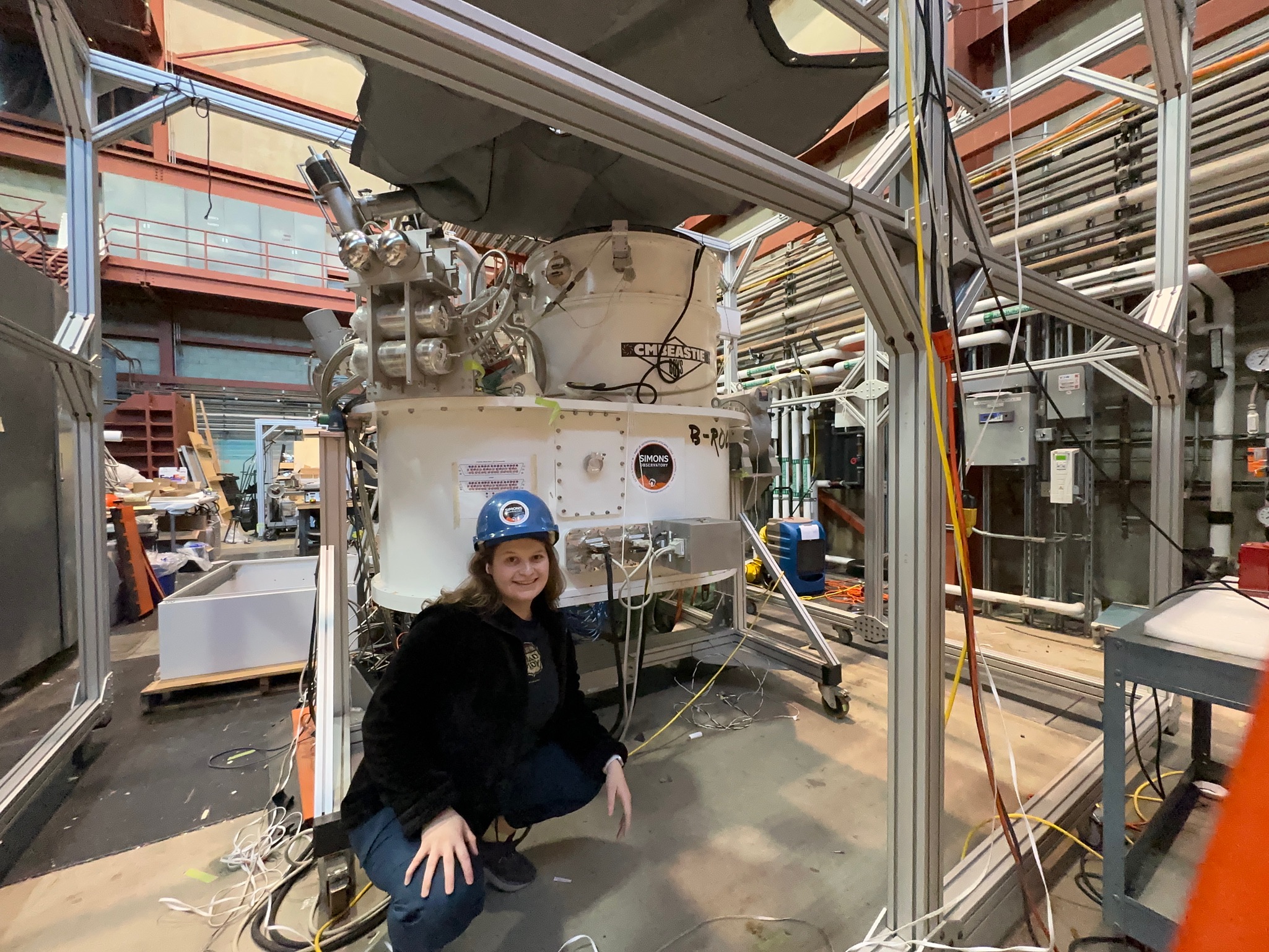
Duke Today
A High School Perspective on Duke Research — Jan 2026
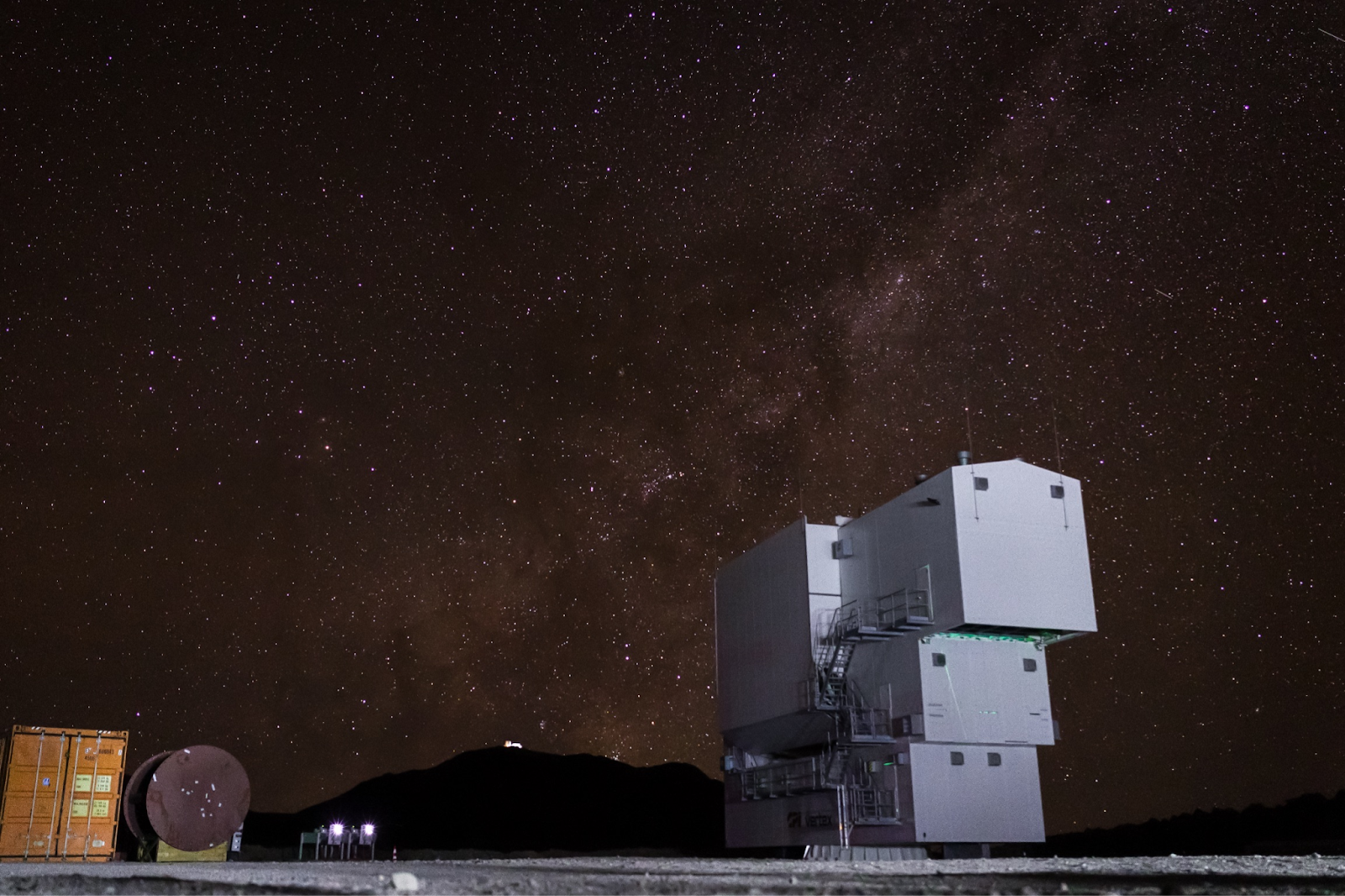
Vertices (self-authored)
Hunting the Cosmos in the World's Driest Desert — Jan 2026
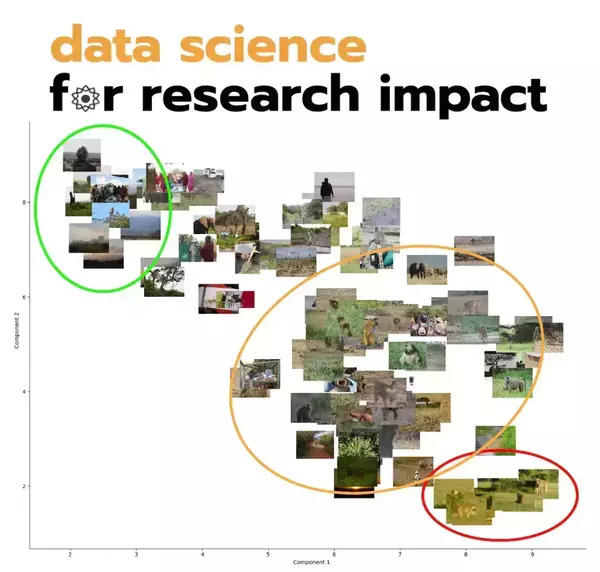
Univ. of Notre Dame
AI collaboration to tag Amboseli photos — Oct 2025
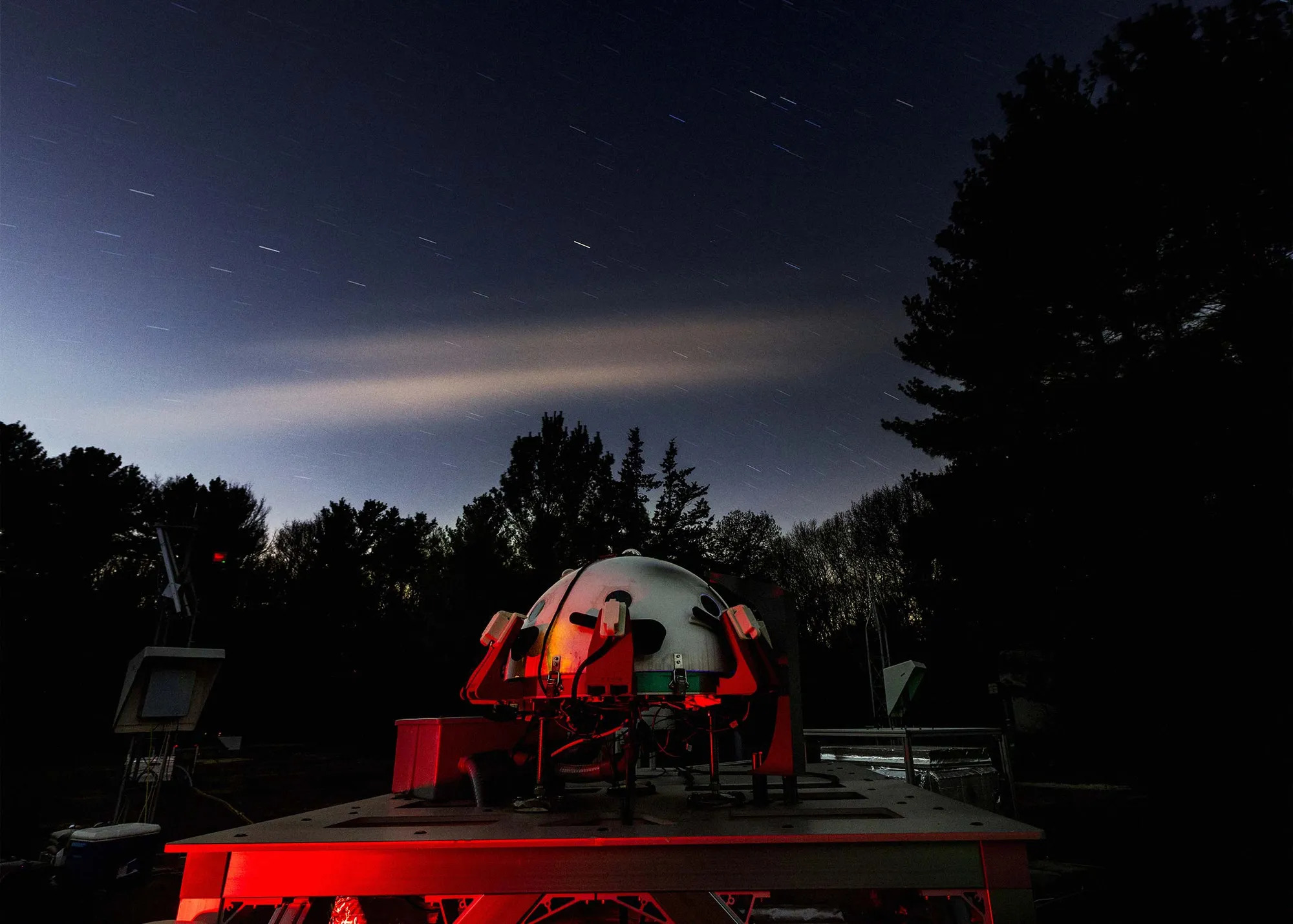
Bloomberg
America's Leading Alien Hunters Depend on AI — May 2025
TEDxYouth@NCSSM
Visions of the End Times — Mar 2025
Society for Science
Five Questions with Ankit Biswas — Jun 2023